Computing
Computing Curriculum Map
Teaching Computing at Haselworth Primary School
Intent
At Haselworth, we believe that computational thinking and creativity with digital technology is now one of the key skills. It has become deeply embedded in every area of life, and this must be reflected in the teaching across the curriculum, with children developing an understanding of how technology underpins much of what we do, how to use it practically and creatively, with a wide understanding of the risks and benefits of this technology.
How do we teach Computing?
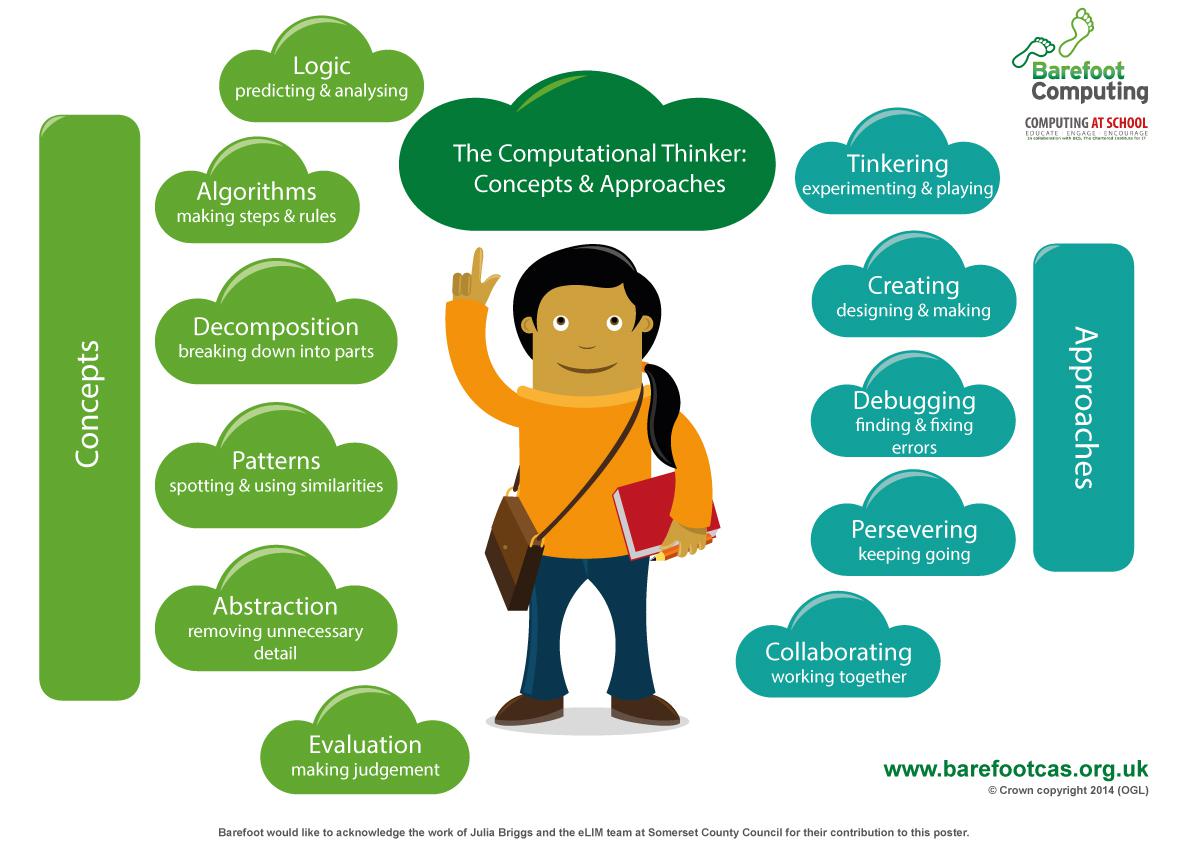
Children will be taught to both how to use familiar equipment and programmes safely, and how to apply these skills to unfamiliar equipment and situations – to become digitally literate in a world where the use of computers is growing exponentially. They will also learn computational thinking – the logical processes necessary to get the most out of this technology.
The aims of teaching Computing in our school are:
- To encourage children to explore how technology can be used to advance and showcase their learning
- To use technology to motivate, inspire and help improve standards in all subjects across the curriculum
- To ensure pupils are challenged in their use of technology and are provided with creative ways in which to share their learning
- To enhance social and emotional development through promoting the values of caring, collaboration, critical thinking and creativity in this subject
- To foster an interest in finding technological solutions through problem solving
- To develop computational thinking, so that children feel confident to use programming skills, and understand the basis of these
- To use tools available to ensure children have the ability to work independently and collaboratively to suit the needs of the situation
- To increase pupils’ understanding of the benefits and risks inherent in technology, with particular reference to E-safety.
- To enable all staff to act as computing role models, having the confidence to use technology to its full potential in all aspects of school life through training and support
- To use technology as a form of communication with parents, pupils and the wider community
Implementation
Due to having mixed age classes, the school has a two-year rolling programme (Cycle A and Cycle B) so that all national curriculum requirements are fully covered without children repeating the same topics. The curriculum map outlines the termly topic and in which cycle it is taught. These topics form the basis of the learning journey.
The learning journey details previous assessment outcomes, National Curriculum links, the substantive and disciplinary skills/knowledge that are taught/practised by children, the learning objective, the learning tasks, key vocabulary, resources, links with other subjects and assessment information. The learning journeys are adapted and refined according to a teacher's assessment so that the planning is responsive to the needs of all learners. We ensure that children of all abilities have the opportunity to develop their skills, knowledge and understanding in this way, so that children are increasingly challenged as they move through school.
At Key Stage 1, pupils should be taught to:
- understand what algorithms are; how they are implemented as programs on digital devices; and that programs execute by following precise and unambiguous instructions
- create and debug simple programs
- use logical reasoning to predict the behaviour of simple programs
- use technology purposefully to create, organise, store, manipulate and retrieve digital content
- recognise common uses of information technology beyond school
- use technology safely and respectfully, keeping personal information private; identify where to go for help and support when they have concerns about content or contact on the internet or other online technologies.
At Key Stage 2, the pupils should be taught to:
- design, write and debug programs that accomplish specific goals, including controlling or simulating physical systems; solve problems by decomposing them into smaller parts
- use sequence, selection, and repetition in programs; work with variables and various forms of input and output
- use logical reasoning to explain how some simple algorithms work and to detect and correct errors in algorithms and programs
- understand computer networks including the internet; how they can provide multiple services, such as the world wide web; and the opportunities they offer for communication and collaboration
- use search technologies effectively, appreciate how results are selected and ranked, and be discerning in evaluating digital content
- select, use and combine a variety of software (including internet services) on a range of digital devices to design and create a range of programs, systems and content that accomplish given goals, including collecting, analysing, evaluating and presenting data and information
- use technology safely, respectfully and responsibly; recognise acceptable/unacceptable behaviour; identify a range of ways to report concerns about content and contact.
The Foundation Stage
We encourage the development of skills, knowledge and understanding that help reception children make sense of their world as an integral part of the school’s work. As the reception class follow the Statutory Framework for EYFS, we relate the development of the children’s understanding of the world to the objectives set out in the Early Learning Goals. These underpin the curriculum planning for children aged three to five. This learning forms the foundations for later work in Computing. These early experiences include selecting and using technology for a purpose.
Inclusion including Special Educational Needs Disability (SEND) / Pupil Premium / Higher Attainers
At Haselworth Primary School we teach Computing to all children, whatever their ability. Through high quality initial teaching, we provide learning opportunities that enable all pupils to make progress. We do this through appropriate task design which meets each child’s individual needs. Teachers will also take into account the targets set for individual children in their Individual Education Plans and Individual Behaviour Plans as appropriate. We recognise that learners have differing needs and provide suitable learning opportunities for all by matching the challenge of the activities to the ability of the child. We achieve this through a range of strategies:
- setting common learning activities that are open-ended and can have a variety of results;
- setting learning of increasing difficulty where not all children complete all tasks;
- setting specific learning according to individual needs and targets
- grouping children by ability and setting different tasks for each group;
- mixed ability grouping which facilitates peer support
- providing a range of challenges through the provision of different resources and scaffolds;
- using additional adults to support the work of individual children or small groups.
Equality
All teaching and learning of Computing will ensure that every child has the right to be included and supported as far as possible in the knowledge that there is equality in terms of opportunity, social background, race, gender and disability.
Assessment and Recording
Teachers assess children’s work in Computing by making assessments as they observe them working during lessons and through marking/feedback. They record the progress that children make by assessing the children’s work against the learning objectives. Teachers annotate the planning and amend/refine as required to meet the needs of learners.
Throughout the learning journey, teachers make a judgement against the National Curriculum statements as well as the substantive and disciplinary knowledge/skills identified by the school. Assessments are recorded on the learning journeys. Teachers then use the data to plan the future work of each child and to make an annual assessment of progress for each child, as part of the annual report to parents. Each teacher passes this information on to the next teacher at the end of each year as part of the school's transition processes.
Health and Safety
Planning should reflect that all equipment should be safe – electrical equipment should be PAT tested as required and faulty equipment should be logged. Children should be aware that electrical cables are a hazard, and staff should make sure hazards are minimised. Children should also be taught about general safety around equipment (eg no liquids), and all equipment should be used and stored safely. Children should be taught about physical risks associated with use, including eye strain and muscular problems from prolonged use. Pupils and staff should be aware of E-safety risks (see Use of ICT policies) associated with online activities. This should be covered at regular intervals.
Impact
The monitoring of the standards of children’s work and of the quality of teaching in Computing is the responsibility of the STEM and Wellbeing Curriculum Team. The team supports colleagues in the teaching of Computing, being informed about current developments in the subject and providing a strategic lead and direction for the subject in the school.
The following information outlines how the Curriculum Teams monitor, evaluate and review their subjects.
- Curriculum Teams use self-evaluation and write clear action plans and ensure that they are understood by all those involved in putting the plans into practice, including staff who are new to the school. These are reviewed termly and contribute to the monitoring, review and evaluation of the school development plan.
- Curriculum Teams follow a cycle of monitoring throughout the school for the academic year, ensuring that they can make judgements about the standards within their subjects. This includes learning walks, planning, books looks and pupil conferencing.
- Curriculum Teams report their impact to Governors.
- Curriculum Teams ensure that teachers are clear about the teaching objectives in lessons, understand the sequence of teaching and learning in the subject, and communicate such information to pupils.
- Curriculum Teams ensure curriculum coverage, continuity and progression of substantive/disciplinary knowledge and skills in their subject for all pupils, regardless of their initial starting points. This includes having high expectations of all learners with SEND, EAL and those identified as being disadvantaged.
- Curriculum Teams establish a clear, shared understanding of the importance and role of the subject in contributing to pupils’ spiritual, moral, social, cultural, mental and physical development, and in preparing pupils for the opportunities, responsibilities and experiences of adult life.
- Curriculum Teams use data effectively to identify pupils who are underachieving in the subject and, where necessary, create and implement effective plans of action to support those pupils
If you have any questions or concerns regarding E-Safety (at home or in school), please speak to a member of staff.

- Age_Ratings_March_19.pdfPDF File
- Friends-and-Followers-Guide.pdfPDF File
- Minecraft-Parents-Guide-091118.pdfPDF File
- National-Online-Safety-Parents-Guide-to-Internet-Controls.pdfPDF File
- NOS_Fortnite_Aug2019_F.pdfPDF File
- NOS_Influencers-Guide.pdfPDF File
- NOS-Appearance-Guide.pdfPDF File
- NOS-Home-Devices-April-2019.pdfPDF File
- NOS-Likes-Guide.pdfPDF File
- NOS-YouTube_April_Guide.pdfPDF File
- Parenting-Gamers_F.pdfPDF File
- parents-guide-to-social-media1.pdfPDF File
- Roblox-Parents-Guide-V2-081118.pdfPDF File
- Screen-Addiction-June-2019.pdfPDF File
- Snapchat-Parents-Guide-May-2019.pdfPDF File
- Social_Media_Guidance_UKCCIS_Final_18122015.pdfPDF File
- Social-Media-and-Mental-Health-June-19.pdfPDF File
- TikTok-Online-Safety-Guide-March-2019-1.pdfPDF File
- YouTube-Kids-Guide.pdfPDF File